Art as Therapy for Children: Helping Kids Express Big Feelings
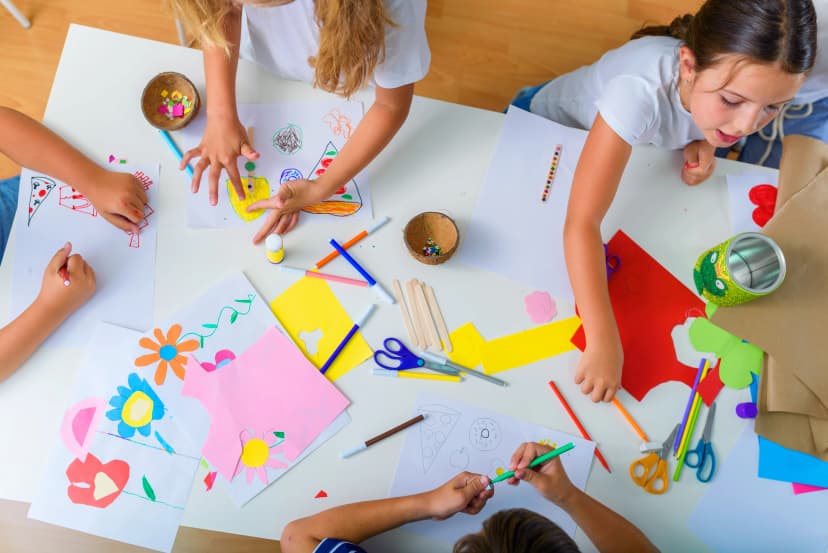
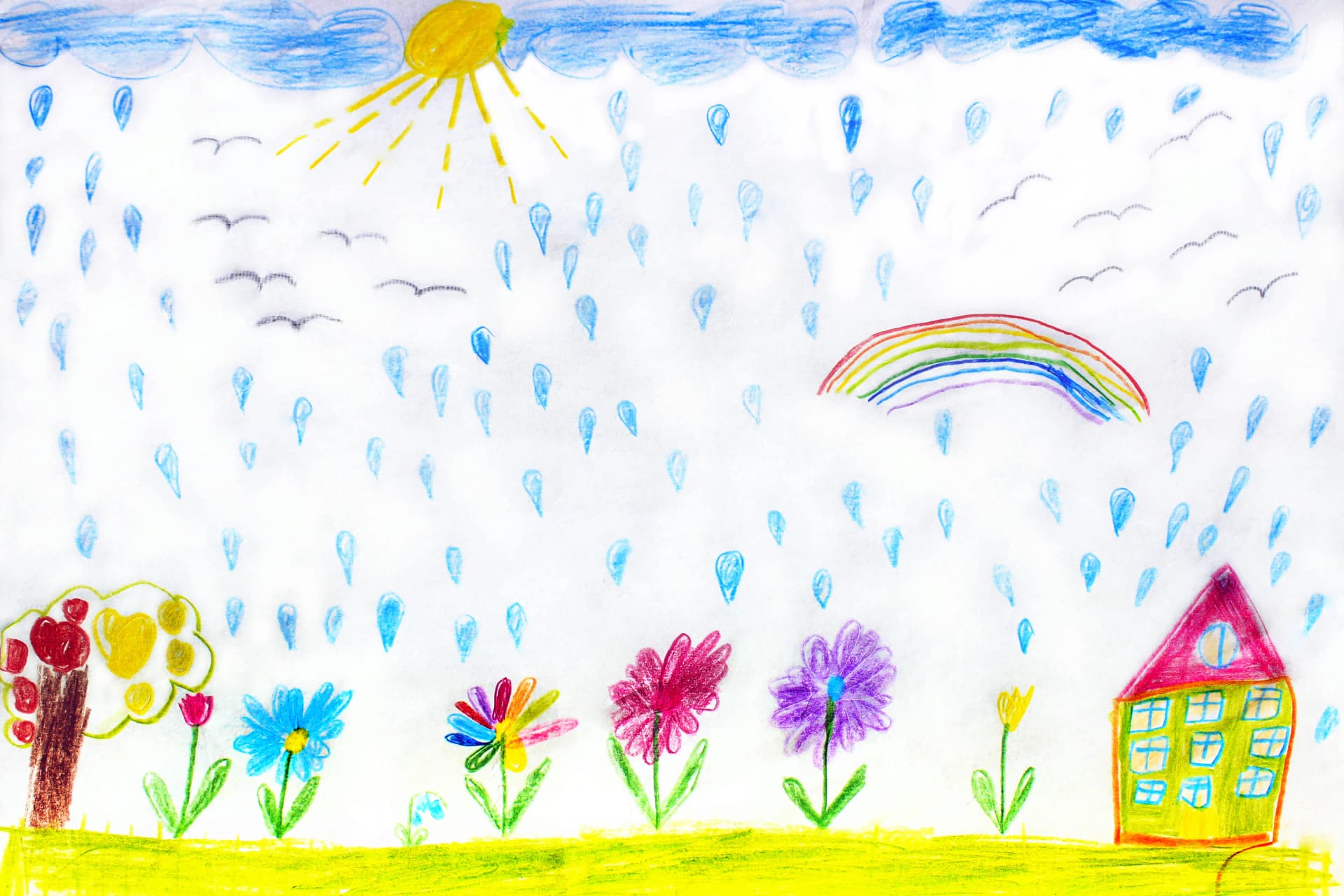
Children feel just as deeply as adults, but they rarely have the words to explain it. A four-year-old cannot say “I feel anxious and abandoned.” But they can draw a tiny figure alone in a big, dark space. For kids, art is a natural language — and art as therapy meets them exactly where they are.
Why art works so well for children
Play and drawing are how children naturally process the world. Through art, feelings that are too big, too scary, or too confusing to say out loud can come out safely on the page. It gives adults a window into a child’s inner world — and gives the child a sense of relief and control.
What art as therapy can help children with
- Grief and loss, including the death of a loved one or a pet.
- Anxiety, fears, and worries they cannot explain.
- Big life changes: divorce, a new sibling, moving, or starting school.
- Trauma or difficult experiences that are hard to talk about.
- Building confidence, emotional vocabulary, and self-regulation.
A child may not be able to tell you what happened. But often, they can show you.
How a session works
In child art as therapy, a trained therapist creates a safe, playful space with simple materials. The child is invited to draw, paint, or build freely. The therapist gently notices themes and feelings in the work, following the child’s lead rather than directing them. There is never pressure to explain or perform.
Simple ways parents can support at home
- Offer art materials and time, without correcting or judging the result.
- Ask open, curious questions: “Tell me about your drawing,” instead of “What is that?”
- Let them lead — do not force meaning or interpret their art for them.
- Notice and name feelings gently: “It looks like this part feels stormy.”
When to seek professional support
If a child is struggling with grief, anxiety, big behavioural changes, or a difficult experience, a professional art therapist can help them process it safely. Early support gives children tools that last a lifetime.
Frequently asked questions
At what age can a child start art as therapy?
Children as young as three or four can benefit, since drawing and play are natural ways for them to express feelings. Art as therapy is adapted to each child’s age and stage.
How does art as therapy help a grieving child?
It lets children express grief they cannot put into words, gives them a safe outlet for confusing feelings, and offers a sense of control and relief during a frightening time.
What can parents do at home?
Provide art materials and unhurried time, ask open and curious questions, let the child lead, and gently name feelings — without judging or correcting their art.
You don’t have to walk this alone
Gentle accompaniment through grief and difficult emotions with grief counseling and art as therapy. Book a free first orientation session.
Gentle resources in your inbox
Grief and art therapy reflections, exercises, and tools — sent with care. No spam, unsubscribe anytime.