What Is Art as Therapy? Benefits and How It Works
Art as therapy is a form of psychotherapy that uses the creative process — drawing, painting, collage, clay, color — to explore emotions, reduce stress, and work through difficult experiences. The goal is not to make beautiful art. The goal is to make contact with what you feel.
You do not need to be an artist
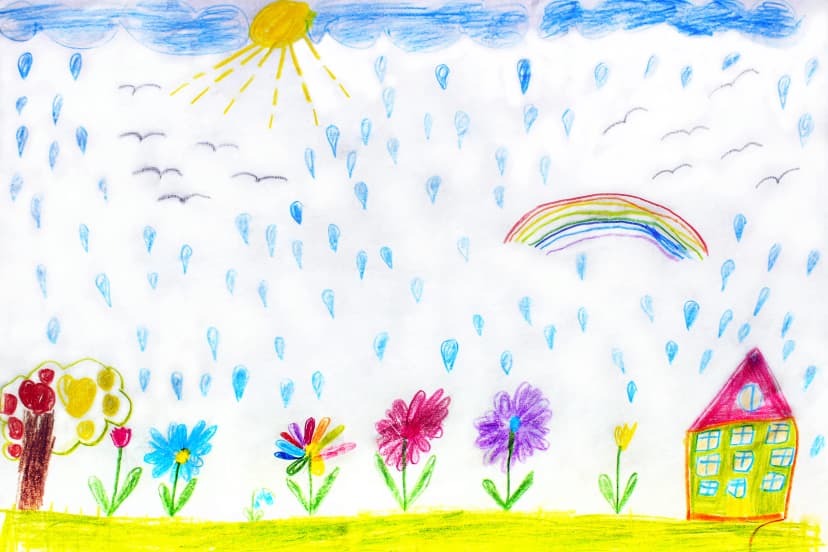
This is the first thing everyone worries about, so let us settle it: art as therapy has nothing to do with talent. Stick figures, scribbles, and messy color are perfect. In fact, the “worse” the drawing, the freer it often is. You are not being judged on technique — the image is simply a bridge to your inner world.
Why it works when words are not enough
Much of what we feel lives below language — in the body, in images, in sensation. Trauma and grief especially can be hard to put into words. Making art bypasses the part of the brain that edits and explains, letting buried feelings surface safely, at your own pace.
Art gives a shape to what has no words yet. Once you can see it on the page, you can begin to work with it.
What a session actually looks like
A typical session has three gentle movements:
- A short check-in to notice how you are arriving and what you would like to explore.
- A creative invitation — for example, “draw where you feel the tension in your body,” or “use color to show today’s mood.” There is no wrong response.
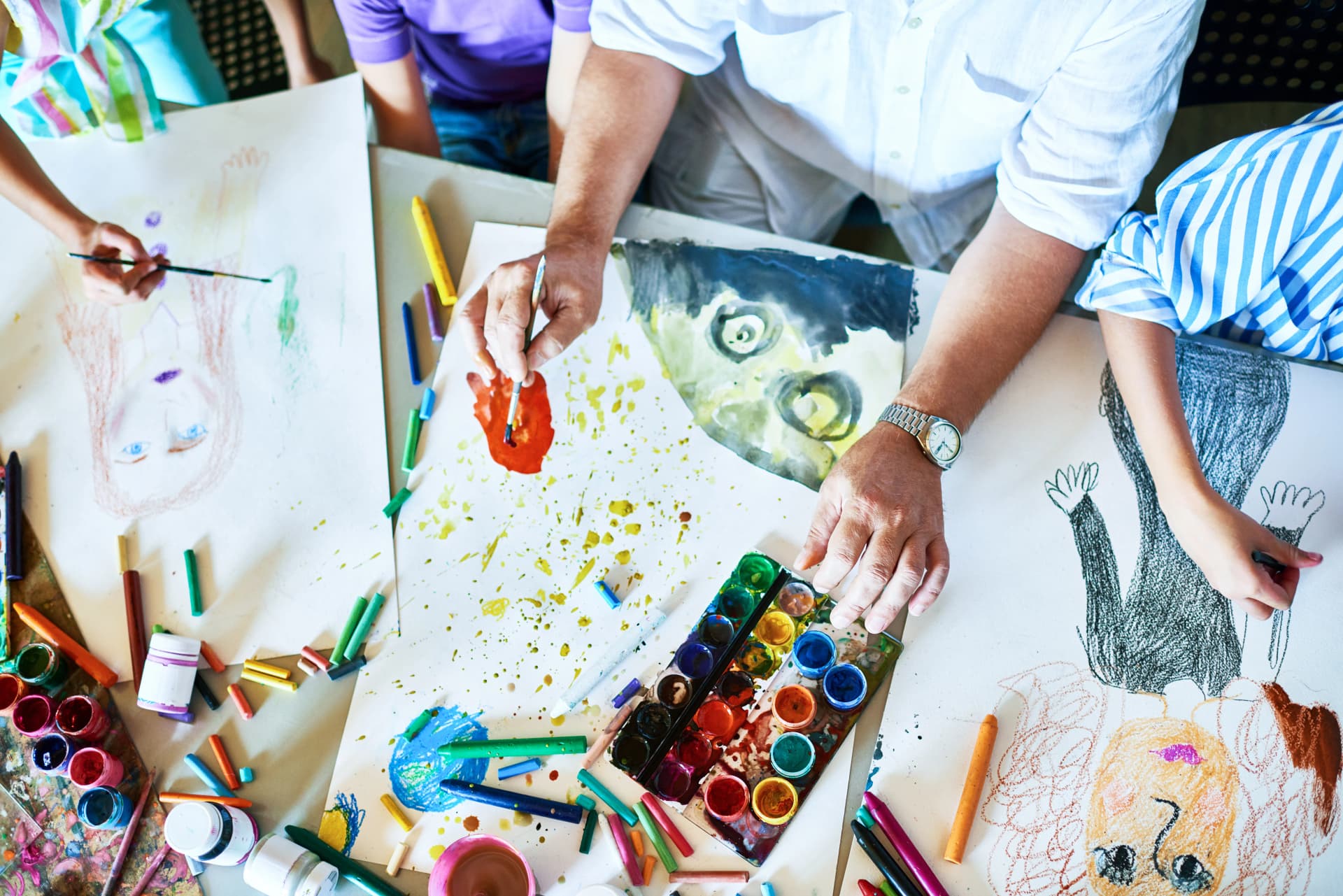
- A reflection, where you and the therapist look at the image together and gently unpack what came up. You always stay in control of how much you share.
The benefits of art as therapy
- Lowers stress and calms the nervous system.
- Helps process grief, trauma, and anxiety without needing to relive them in words.
- Improves self-awareness and emotional regulation.
- Rebuilds a sense of control and self-expression after a difficult time.
- Increases self-esteem through the simple act of creating something.
Who is art as therapy for?
Art as therapy helps children, adults, and older adults facing grief, anxiety, chronic illness, trauma, life transitions, or simply the wish to understand themselves better. It is especially valuable for people who find traditional talk therapy difficult or who feel “stuck” putting their experience into words.
Art as therapy vs. an art class
An art class teaches you to make art. Art as therapy uses art to help you heal, guided by a trained therapist who holds the emotional process safely. The focus is never the final product — it is you, and what the creative process reveals and releases.
Getting started
You do not need supplies, skill, or a plan. You only need willingness to show up and make a mark. If you are curious, a first orientation session is a gentle way to see how it feels.
Frequently asked questions
Do I need to be good at art for art as therapy?
No. Art as therapy requires zero artistic skill. Scribbles, stick figures, and abstract color are exactly right — the process matters, not the result.
What can art as therapy help with?
It supports grief, anxiety, trauma, stress, chronic illness, life transitions, and self-understanding. It is especially helpful when feelings are hard to put into words.
Is art as therapy real therapy?
Yes. Art as therapy is an established form of psychotherapy delivered by trained professionals, using the creative process as the therapeutic tool.
You don’t have to walk this alone
Gentle accompaniment through grief and difficult emotions with grief counseling and art as therapy. Book a free first orientation session.
Gentle resources in your inbox
Grief and art therapy reflections, exercises, and tools — sent with care. No spam, unsubscribe anytime.