Sadness Didn’t Come to Destroy You
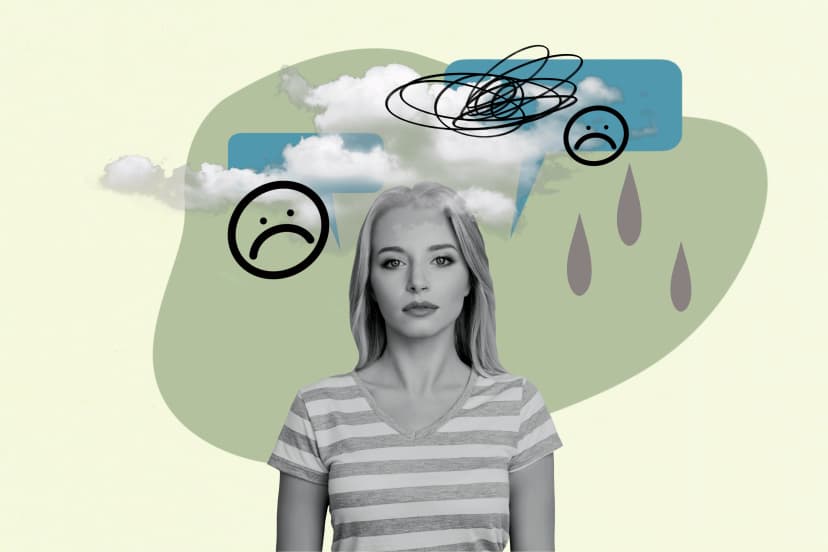
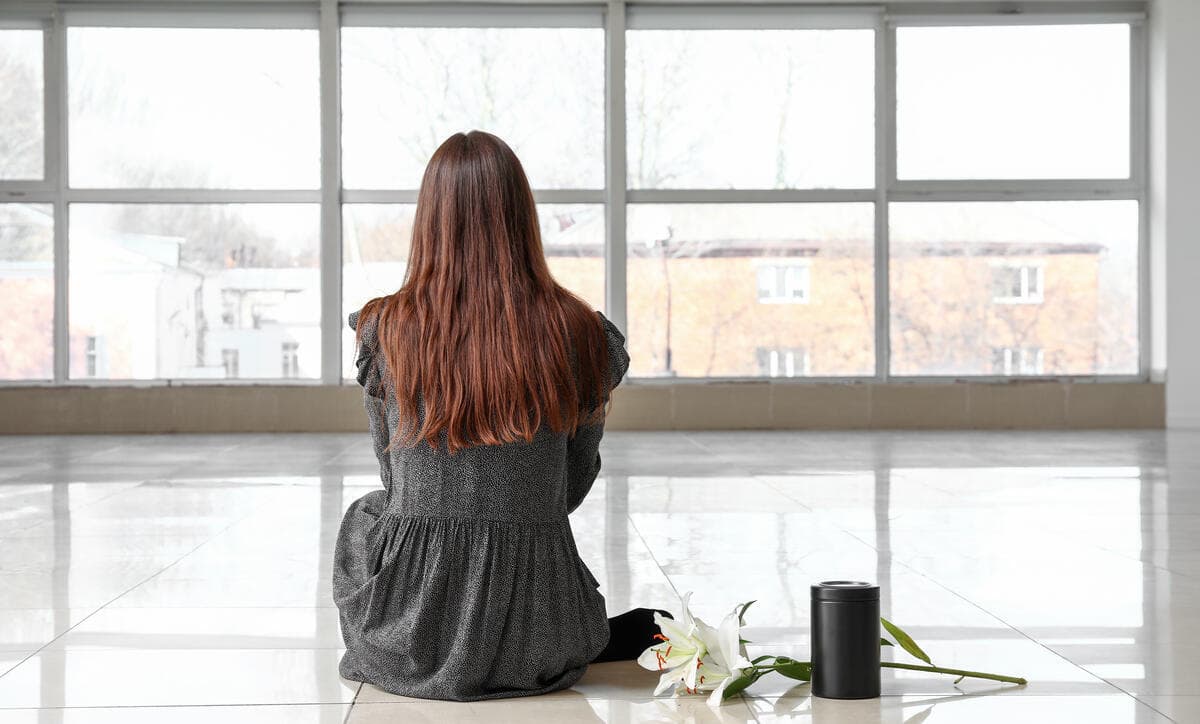
We are taught to fear sadness — to fix it, numb it, or escape it as fast as possible. But sadness is not your enemy. It is a messenger, arriving to tell you that something matters, something hurts, or something needs your attention.
Sadness is not depression
Sadness is a healthy, passing emotion in response to loss or disappointment. Depression is heavier and more persistent. Allowing yourself to feel sadness — rather than suppressing it — can actually protect you from getting stuck.
What happens when we run from it
The more we flee sadness, the louder it becomes. Suppressed emotions do not disappear; they resurface as anxiety, irritability, exhaustion, or numbness. Paradoxically, letting yourself be sad is often the fastest way through it.
Sadness is not a sign that something is wrong with you. It is a sign that something mattered.
Learning to sit with it
- Let it be there without rushing to fix it.
- Ask what it is trying to tell you.
- Express it — through tears, words, movement, or art.
- Trust that emotions, when felt, move through and pass.
Frequently asked questions
Is sadness a bad emotion?
No. Sadness is a healthy, natural response to loss or disappointment. It is a messenger pointing to what matters, not a flaw to eliminate.
What is the difference between sadness and depression?
Sadness is a passing emotion tied to a cause; depression is heavier and more persistent, affecting daily functioning. Allowing sadness can help prevent getting stuck.
Why should I let myself feel sad?
Suppressed sadness resurfaces as anxiety, irritability, or numbness. Feeling it fully is often the fastest way for the emotion to move through and pass.
You don’t have to walk this alone
Gentle accompaniment through grief and difficult emotions with grief counseling and art as therapy. Book a free first orientation session.
Gentle resources in your inbox
Grief and art therapy reflections, exercises, and tools — sent with care. No spam, unsubscribe anytime.