Mehndi: India’s Sacred Art Where Skin Becomes Prayer
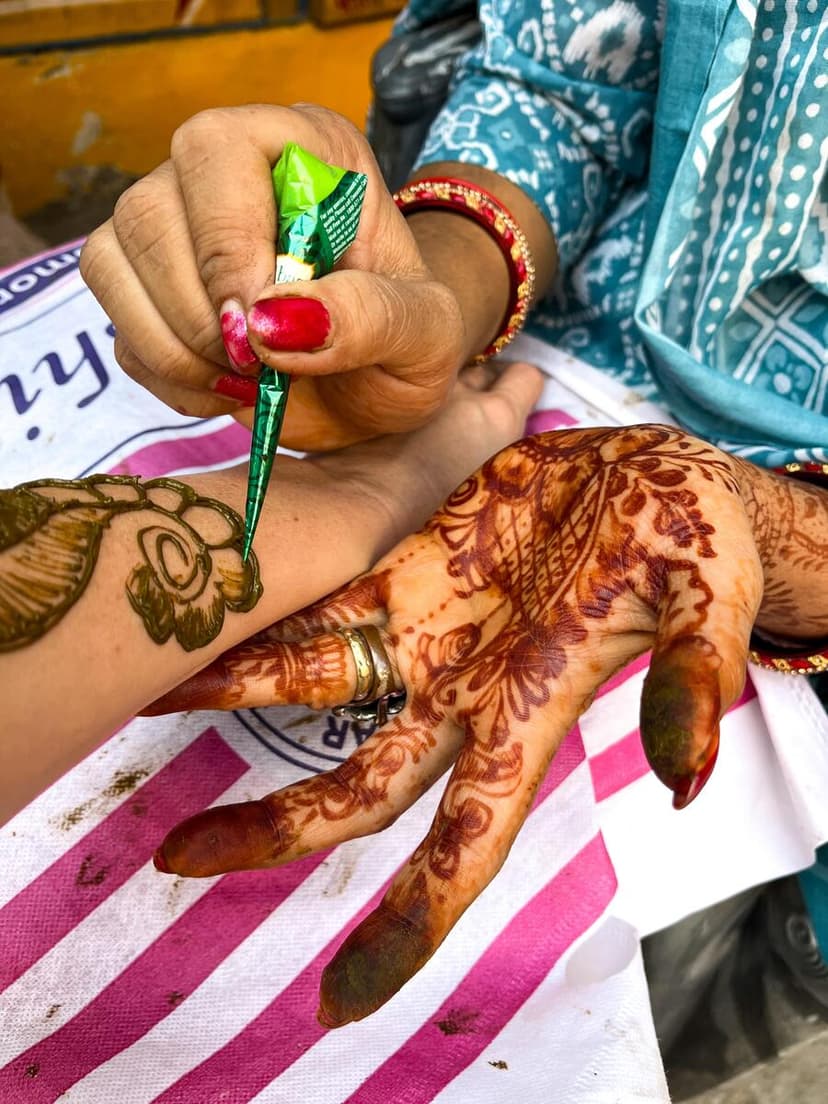
In India, the delicate red-brown patterns of mehndi are far more than decoration. This sacred art of henna turns the skin into a canvas of prayer, blessing, and meaning — a temporary beauty that speaks of life’s impermanence.
More than decoration
Applied for weddings, festivals, and rites of passage, mehndi is believed to carry blessings — of luck, protection, joy, and love. The intricate designs are a form of devotion made visible on the body.
The beauty of impermanence
Mehndi fades within weeks, and that is part of its meaning. Like life itself, its beauty is temporary — a gentle reminder to treasure the moment, since nothing stays exactly as it is.
Mehndi teaches through beauty what grief teaches through loss: nothing is permanent, and that is what makes it precious.
Art as spiritual practice
Mehndi reminds us that art and the sacred have always been intertwined — that creating on the body, like any art, can be a form of prayer, celebration, and meaning-making. This is the same truth at the heart of art as therapy.
Frequently asked questions
What is the meaning of mehndi?
Mehndi, or sacred henna art, carries blessings of luck, protection, joy, and love. Applied for weddings and rites of passage, its intricate designs are a form of devotion made visible.
Why does mehndi fade?
Mehndi is temporary by nature, fading within weeks. This impermanence is part of its meaning — a reminder to treasure the present, since nothing stays the same.
How does mehndi relate to art as therapy?
Both reflect the ancient link between art and the sacred — creating as a form of prayer, celebration, and meaning-making that supports the inner life.
You don’t have to walk this alone
Gentle accompaniment through grief and difficult emotions with grief counseling and art as therapy. Book a free first orientation session.
Gentle resources in your inbox
Grief and art therapy reflections, exercises, and tools — sent with care. No spam, unsubscribe anytime.