The Anniversary of a Death: How to Live and Honour the Date
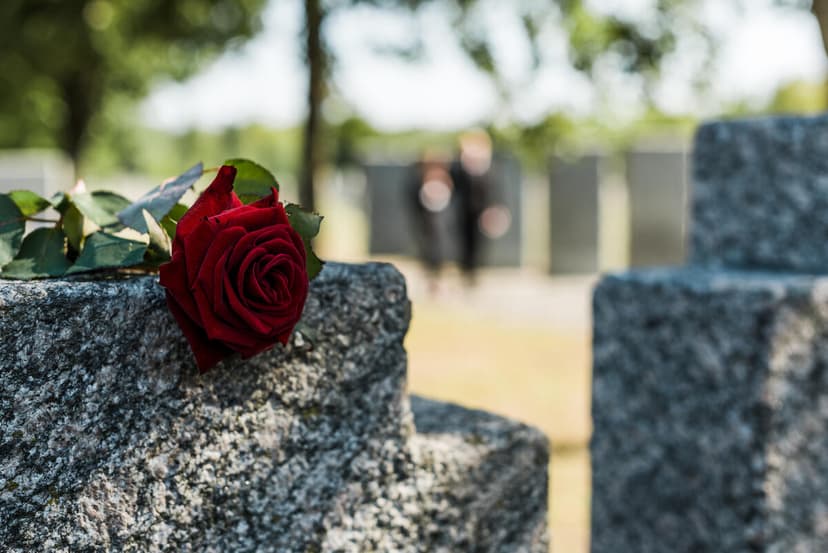
As the anniversary of a death approaches, grief often rises again — sometimes before you consciously remember the date. Your body and heart keep their own calendar. This is normal, and there is no wrong way to move through it.
The build-up can be the hardest part
Many people find the days leading up to an anniversary heavier than the day itself. A quiet dread, more tears, trouble sleeping — this “anniversary reaction” is your grief remembering. Naming it can take away some of its power.
Ways to honour the date
- Visit a meaningful place, or a place they loved.
- Cook their favourite meal or play their music.
- Light a candle, write them a letter, or make art in their memory.
- Gather with people who loved them and share stories.
- Or spend it quietly alone — there is no obligation to mark it a certain way.
You are not “still” grieving. You are loving someone who is no longer here — and love does not expire.
Plan gently, and be flexible
It can help to decide in advance roughly how you want to spend the day, and with whom — while giving yourself full permission to change your mind. Protect your energy, and let yourself feel whatever comes.
Frequently asked questions
Why is a death anniversary so hard?
Anniversaries reactivate grief, often before you consciously recall the date. This “anniversary reaction” — sadness, dread, poor sleep — is a normal way your grief remembers the loss.
How do you honour the anniversary of a death?
Visit a meaningful place, cook their favourite meal, light a candle, write a letter, make art, gather with loved ones, or spend it quietly — whatever feels right to you.
Is it normal to grieve harder before the anniversary than on the day?
Yes. For many people the build-up is heavier than the day itself. Naming the anniversary reaction can help lessen its intensity.
You don’t have to walk this alone
Gentle accompaniment through grief and difficult emotions with grief counseling and art as therapy. Book a free first orientation session.
Gentle resources in your inbox
Grief and art therapy reflections, exercises, and tools — sent with care. No spam, unsubscribe anytime.