Coping With Sudden Loss: When Goodbye Never Came

When someone dies suddenly — an accident, a heart attack, an overnight tragedy — the ground vanishes beneath you. There was no warning, no chance to say goodbye, no time to prepare. Sudden loss is not just grief; it is grief tangled with shock and trauma.
Why sudden loss is so disorienting
Your mind was given no time to absorb the reality, so it keeps rejecting it. You may replay the last ordinary moments, struggle to believe it is real, or feel frozen and numb. This is your nervous system trying to protect you from a blow it could not see coming.
With sudden loss, the mind has to catch up to a reality the heart was never warned about.
Common experiences
- Shock, disbelief, and a sense of unreality that can last a long time.
- Intrusive thoughts or images, especially with a traumatic death.
- Guilt over things left unsaid or a goodbye that never happened.
- Anxiety and a new fear that catastrophe can strike anytime.
Gentle first steps
- Take it one hour at a time. You do not have to process it all at once.
- Lean on practical support for daily tasks while you are in shock.
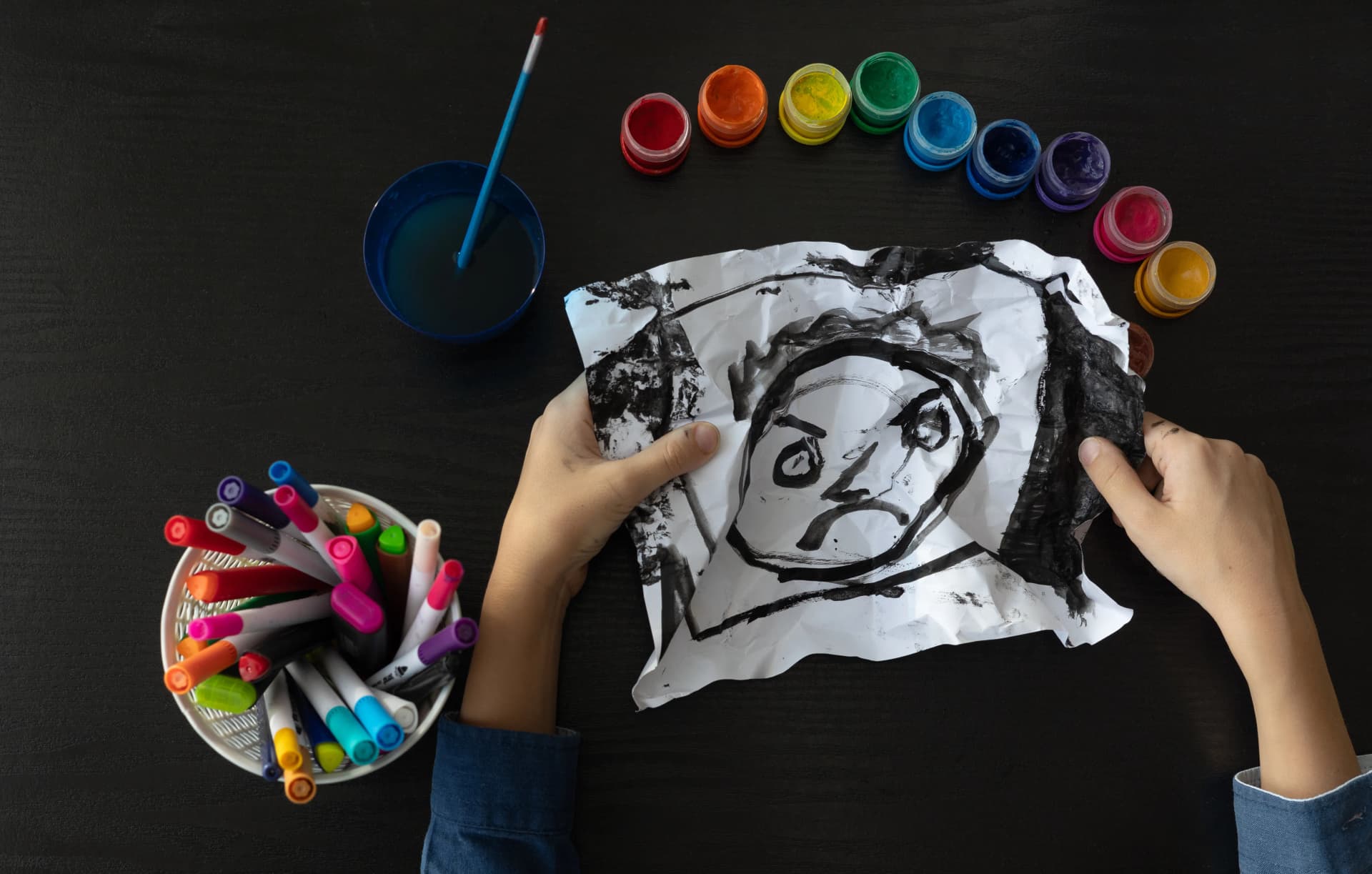
- Find safe ways to say the goodbye you never got — a letter, a drawing, a spoken message.
- Be patient: trauma-touched grief often takes longer to settle.
When to reach for support
Because sudden loss can carry trauma, professional support is especially valuable. If you are haunted by intrusive images, unable to function, or stuck in shock, a grief or trauma specialist can help you find solid ground again.
Frequently asked questions
Why is sudden death harder to grieve?
There is no time to prepare or say goodbye, so the mind struggles to accept the reality. Sudden loss often combines grief with shock and trauma, which can make it more disorienting and longer to settle.
How do you cope when you didn’t get to say goodbye?
Create your own goodbye in a safe way — write a letter, make a drawing, speak the words aloud, or hold a small ritual. Unsaid things can still be expressed and released.
Is trauma part of sudden loss?
Often, yes, especially with accidents or violent deaths. Intrusive images and heightened anxiety are common, and trauma-informed support can help significantly.
You don’t have to walk this alone
Gentle accompaniment through grief and difficult emotions with grief counseling and art as therapy. Book a free first orientation session.
Gentle resources in your inbox
Grief and art therapy reflections, exercises, and tools — sent with care. No spam, unsubscribe anytime.